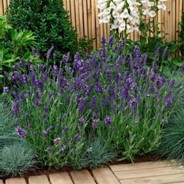
Lavandula angustifolia
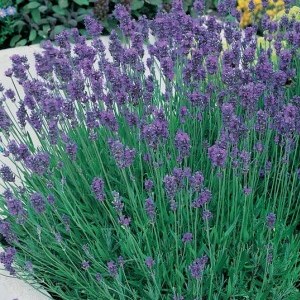
Providing fragrant flowers and foliage make it a favorite for herb gardens and in the perennial border. These make a great dried flower to provide fragrance year-round. The “Ellegance” Series is compact and flowers in the first year with silvery grey-green leaves and spikes of deep violet-blue flowers. A must have for sunny gardens. (Sold in quart pots)
gaura
Dainty buds atop thin stems grant this perennial the nickname “wandflower”. Pink buds emerge as white flowers that become rose pink to maroon as they age. These wildflowers create wonderful movement in the breeze and flower from summer to fall. They prefer well drained soil and tolerate heat and drought. Can grow up to 3’ tall and 3’ wide. Best planted in groups and full sun. (Sold in quart pots).
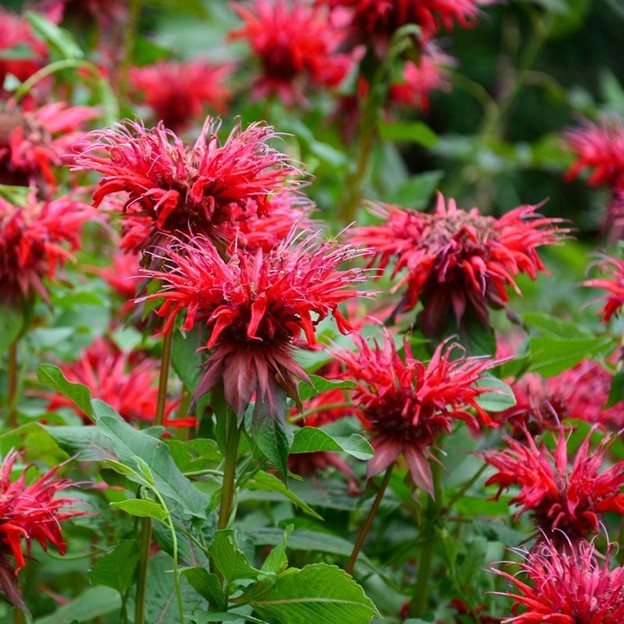
monarda
This Bee Balm variety is a compact, clump-forming perennial boasting vibrant scarlet red flowers from mid to late summer. At 12-18 inches tall and wide, this variety is perfect for borders, containers, and small gardens! These benefit from deadheading to encourage fresh blooms, making them a perfect cut flower. These are fast-growing and may need to be divided every few years. Full sun to partial shade. Deer and rabbit resistant. Very attractive to bees and butterflies. (Sold in quart pots)
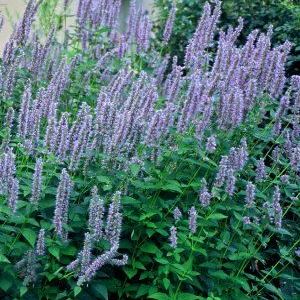
agastache
A member of the mint family that provides long lasting, showy, blue-violet blooms from summer to fall. Commonly called hyssop. Blooms and foliage provide a fragrant cut flower. Blue Fortune is a hybrid of native and non-native varieties. It attracts hummingbirds and HUGE numbers of butterflies and pollinators. Height 29” and 23” spread. Good alternative for the invasive butterfly bush. (Sold in quart pots).
nepeta
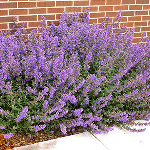
Also known as “Catmint”, this dwarf perennial has a bushy growth habit and can provide low-maintenance color. Provides aromatic lavender-blue blooms continuously from spring to fall. Growing up to 18 inches tall and wide, this plant can be frequently sheared to promote new blooms. Extremely drought tolerant and thrives in full sun to part shade. A versatile planting that can be used as a ground cover, in containers, or as a colorful path border!(Sold in quart pots).
Verbena
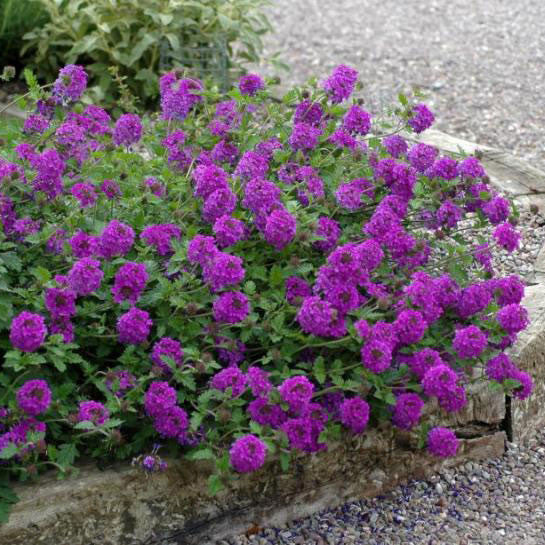
A non-stop bloomer from spring to frost, this perennial provides showy trailing clusters of purple flowers.
A Low maintenance full sun plant with a wide tolerance to drought, rocky soils, and heat!
Grows up to 1’ tall and spreads vigorously up to 3’ wide. Stunning option for baskets, rock gardens, or ground cover.
Benefits from a mid-summer hard pruning to continue blooms until the first frost!
(Sold in quart pots)
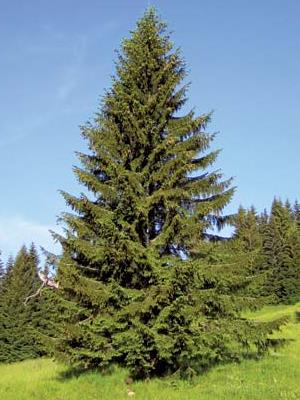
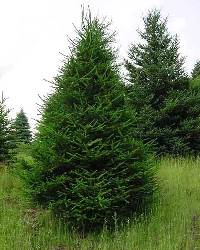
Picea abies
Fast-growing spruce reaches 6' in 6-7 years, with dense dark green needles less than 1" long. Will grow to 125' in average soil; prefers some moisture, but not wet conditions. Makes an attractive landscape tree or a good windbreak. (Sold in bundles of 10)
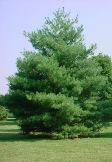
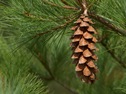
Pinus strobus
Medium growth, 6’ in 8-9 years reaching 100’. Soft, 2”-3” long, silvery blue-green needles. Best growth in moist, well drained soil with full sun tolerating high temperatures and dry soil better than all other firs. One of the most beautiful and carefree evergreens making a prized Christmas tree with good needle retention and stiff branches. (Sold in bundles of 10)
Aronia melanocarpa
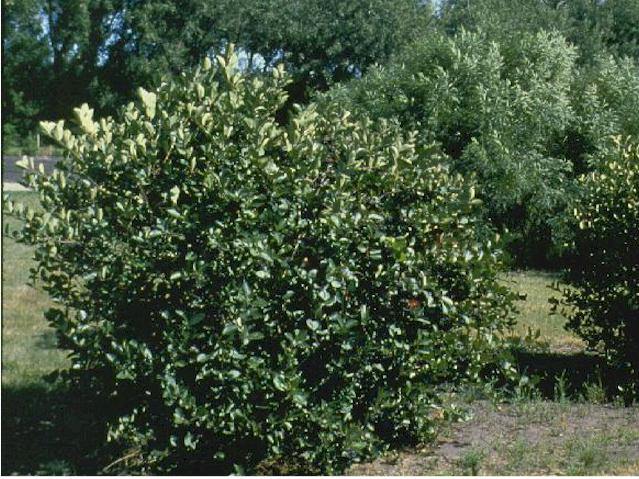
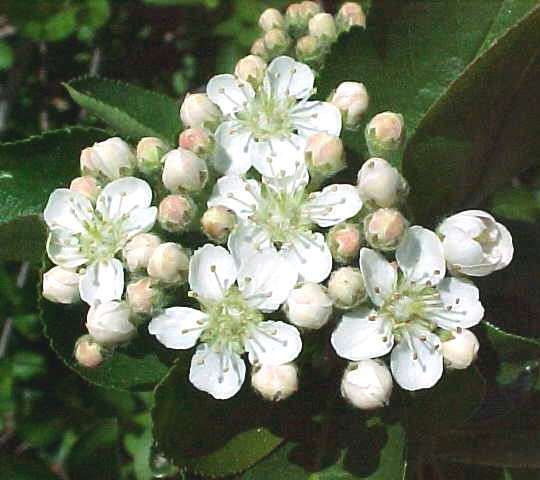
This shrub reaches a height of 3-8 feet and a spread of 3-6 feet. White and light pink blooms arrive in May. Black edible berries (about the size of a blueberry) arrive in the fall with dazzling wine-red foliage. Makes a fantastic wildlife food source. Fast growing and is a great planting for wetlands or naturalized areas. Native to the northeastern United States. Seedling height 12-24 inches.
Cercis canadensis
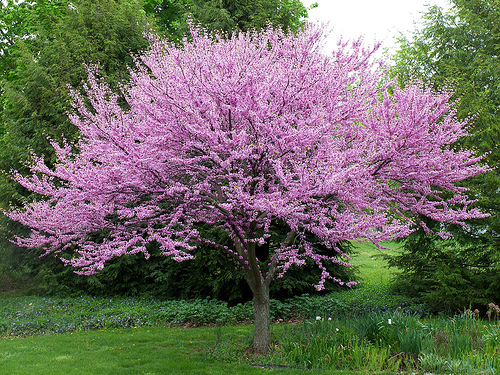
This tree grows to a height of 20-30 feet with a spread of 25-35 feet and develops a flat-topped vase shape at maturity. Heart shaped leaves at 3-5 inches long and emerge from red to green, later providing a stunning yellow color in the fall. Spring flowers begin as reddish-purple buds, opening from rose pink to bright purple blooms. Excellent food source for songbirds in the winter and provides wildlife habitat. Provides an early food source for butterflies and other nectar seeking insects in the spring. Full sun to part shade. Native to the eastern United States. Seedling height 12-24 inches.
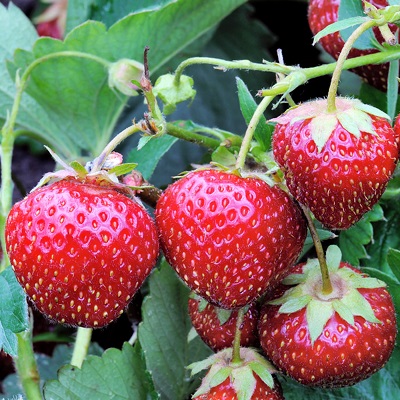
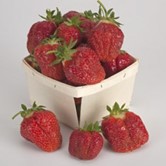
Earliglow is a vigorous runner and popular early-season variety known for its great, sweet strawberry flavor. Good for eating fresh or freezing. Recommended for beginners, this berry is resistant to various strawberry diseases. (sold in bundles of 25).
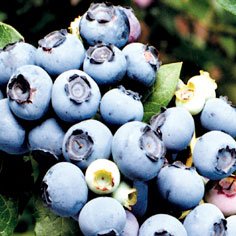
Patriot is an early-season variety that is easy to grow, high yielding, and one of the oldest and most widely grown varieties. The berries are deep blue and very large and flavorful. At maturity they can reach 4-6 feet high with a 4-foot spread. High quality berries for the freezer! Bears fruit 1 year after planting. With a strong resistance to root rot, it can tolerate wet soils. Fiery red, orange, and yellow fall foliage.
Northland is a cross between highbush and lowbush species, making it the most cold-hardy highbush variety – blossoms can tolerate light frost. Medium size, dark blue fruit is firm with excellent wild berry flavor ripening midseason. Grows 4’ high with brilliant orange fall foliage and a low, spreading habit. Heavy yields nearing 20 lbs. per bush at maturity

- all strawberry plants sold in bundles of 25.
- space plants 18" on center in rows 3'-4' apart.
- dig holes deep enough for roots to go straight down. Keep soil line in middle of the crown.
- remove all blossoms the first year for strong, high-yielding plants.
- click here for strawberry-steps-to-success planting guidelines.
- plants are 1 1/2 years old; consisting of a 15"-18" tall stem with a 3" wide x 6" long root system.
- space plants 4-5' apart in acidic soil, pH between 4.5 - 5.0. Peat moss is a good acidic soil amendment.
- for best fruit yield and size, plant at least two varieties for cross-pollination.
- remove all flowers the first year - Do NOT allow berries to develop.
- click here for blueberry-steps-to-success planting guidelines.
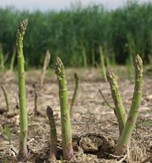
Mary Washington is a winter hardy variety that is also heat tolerant and shows resistance to rust. This is an heirloom variety! Asparagus plants produce a light harvest in the 2nd year, a larger harvest in the 3rd year and a full harvest in subsequent years. (Sold in bundles of 5 or 25).
Caroline has a large berry with a rich and sweet raspberry flavor. Considered to be the new standard for everbearing varieties. Begins to produce fruit in late summer up until the first frost. Produces fruit in the first year it is planted! It is very tolerant to root rot and does best with supplemental watering during droughts. Plants have a mature height of 4-6 feet and a spread of 3-4 feet.
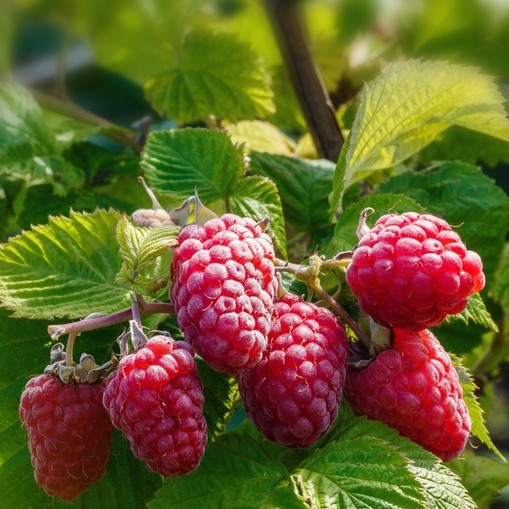
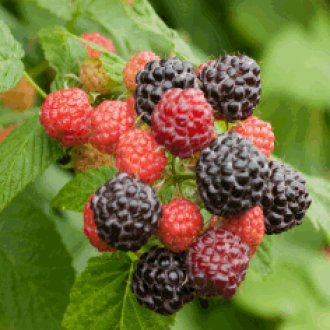
Jewel is among the first raspberry varieties to ripen in early summer. Jewel boasts an abundance of large, firm, and glossy Black Raspberries. Plants bear fruit 1 year after planting. Excellent for jams, jellies, and right off the vine too! Plants have a mature height and spread of 2-3 feet. Benefits from a trellis or other support. Resistant to anthracnose!!
- click here for asparagus-steps-to-success planting guidelines.
- plants consist of a cane and "L" shaped root system. Cover uppermost root with about 1/2" soil.
- space plants 18"-24" apart in rows spaced 8-12' .
- plant in well drained soil, pH between 6.0 - 6.5, rich in organic matter. Well aged compost is a good soil amendment.
- trellising recommended for all raspberries.
- click here for raspberry-steps-to-success planting guidelines.
Quercus rubra
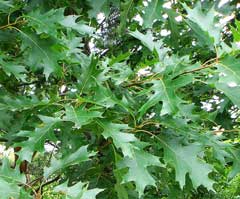
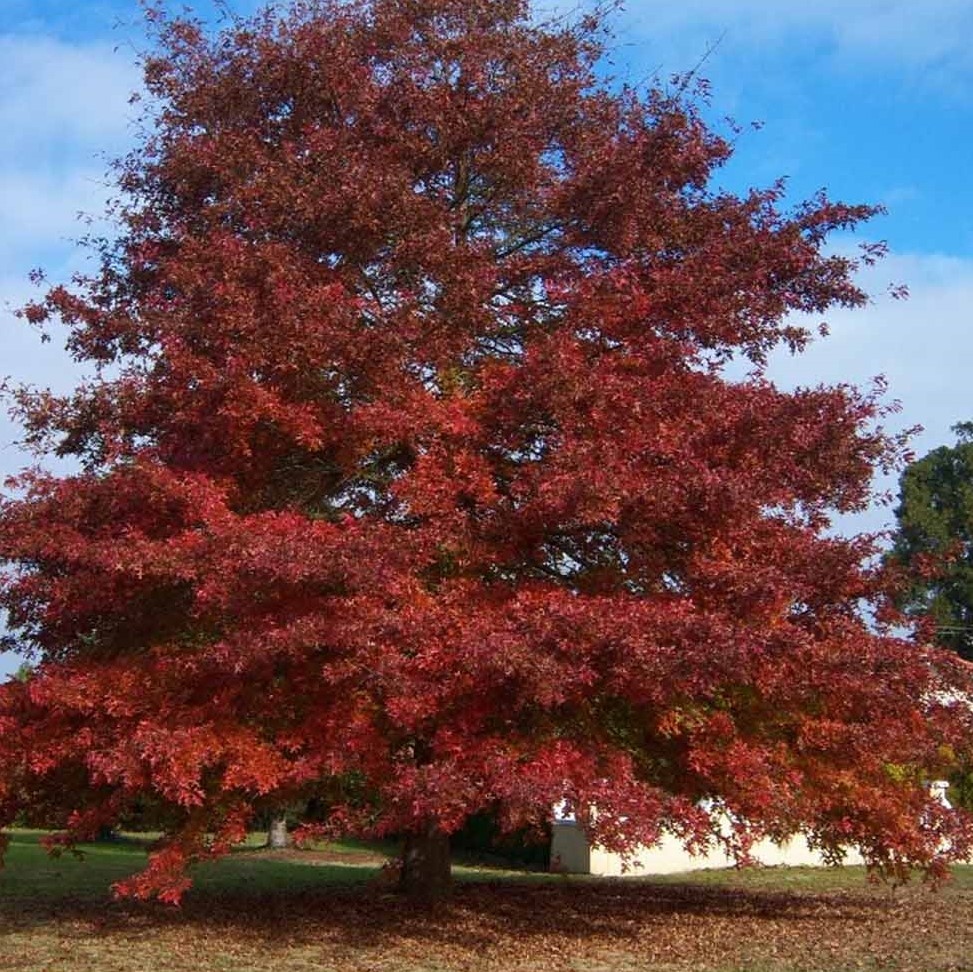
Fast-growing native oak can reach a height of 20’ in 10 years and up to 80’ at maturity with a rounded spread. Tolerant of a variety of soil conditions including urban plantings. Long lived and valuable as timber. Known for their display of red foliage in the fall. 10-24”. Native to Dauphin County.
Acer rubrum
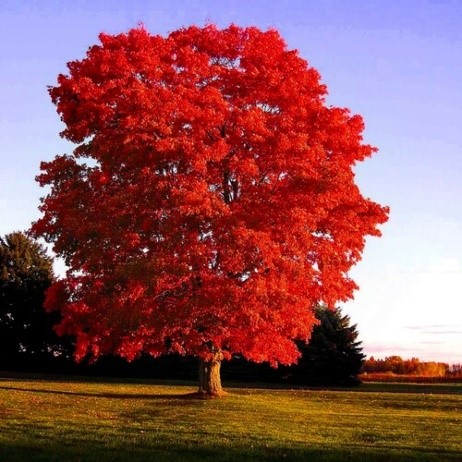
Often called Scarlet or Swamp Maple. Reaches a height of 40 to 60 feet with a spread of 30-50 feet. Has a pyramidal habit and becomes rounded to oval when mature. Stunning bright red flowers appear in spring before leaves. Leaves turn from yellow to bright red in the fall. Smooth grey bark is attractive over winter as well! Great for wetlands as it can tolerate swampy conditions. Full sun to part shade. Native to Dauphin County and northeastern United States. Seedling height 12-24 inches. Native to Dauphin County.
Cabot is known for its huge berries, excellent flavor, winter hardiness and disease resistance. Color and firmness were rated good. Plants are vigorous, but may not run freely, indicating closer spacing may be required. (sold in bundles of 25).